
BY QUENTIN SAUVAGEAU
Most people in the working class take sick days. Now if you are legitimately sick and cannot go to work you’re going to be free of criticism, nobody expects you to perform when you’re sick. Now imagine you’re expected to perform with one thousand people watching you fill out an Excel sheet and millions watching around the world. You would feel the pressure to always mentally and physically perform no matter how you feel. Instead of nobody seeing your performance except you and your boss everyone would. That is what being a professional or college athlete requires. The solution to this is to make sure we view athletes as real people so we can help erase the stigma around taking a break.
Simone Biles going into the 2020 summer Olympics won nineteen gold medals in world championships and swept the 2016 summer Olympics outside of the balance beam which totaled her gold medals to twenty-five. Biles had then apparently experienced the “yips,” a debated condition in which athletes apparently lose muscle-memory and decision-making skills. Biles decided it would be best to withdraw from the all-around and team final as she had experienced the yips in her earlier events. She claimed to have felt “the weight of the world on her shoulders” which had caused this condition. She later revealed that her aunt had unexpectedly died days before the beam event. Biles had seen criticism from many in the U.S., with the most shrill calling her a quitter and arguing that risking potential injury to perform for the U.S. would be a worthy sacrifice for any athlete, and so on. This anecdote illuminates a larger stigma around athletes: that they always need to be ready to perform for the audience. Can this contemporary, unreasonable expectation be traced to one sports event? If so, there is one clear contender.
In Game Five of the 1997 NBA finals, Michael Jordan walked out of bed at 5:50 pm while the game started at seven pm. He didn’t participate in warm-ups and looked sluggish to start. Jordan finished the game with 38 points seven rebounds and five assists to win game five to take a Three-Two series lead. It was claimed that Jordan played the game with the flu. However, in 2020 his last dance docuseries revealed that he had food poisoning from pizza the night prior. While Jordans’ feat is still a great accomplishment it further moved the idea that athletes shouldn’t put their health first. Jordans’ previous Gatorade ads with the catchphrase “be like Mike” worked so well that Jordan became THE role model for children. I believe that it did more harm than good, the idea that “Jordan wouldn’t take a day off” was apparent and it centrally built the negative stigma that athletes wouldn’t take the day off if they wanted to be the best.
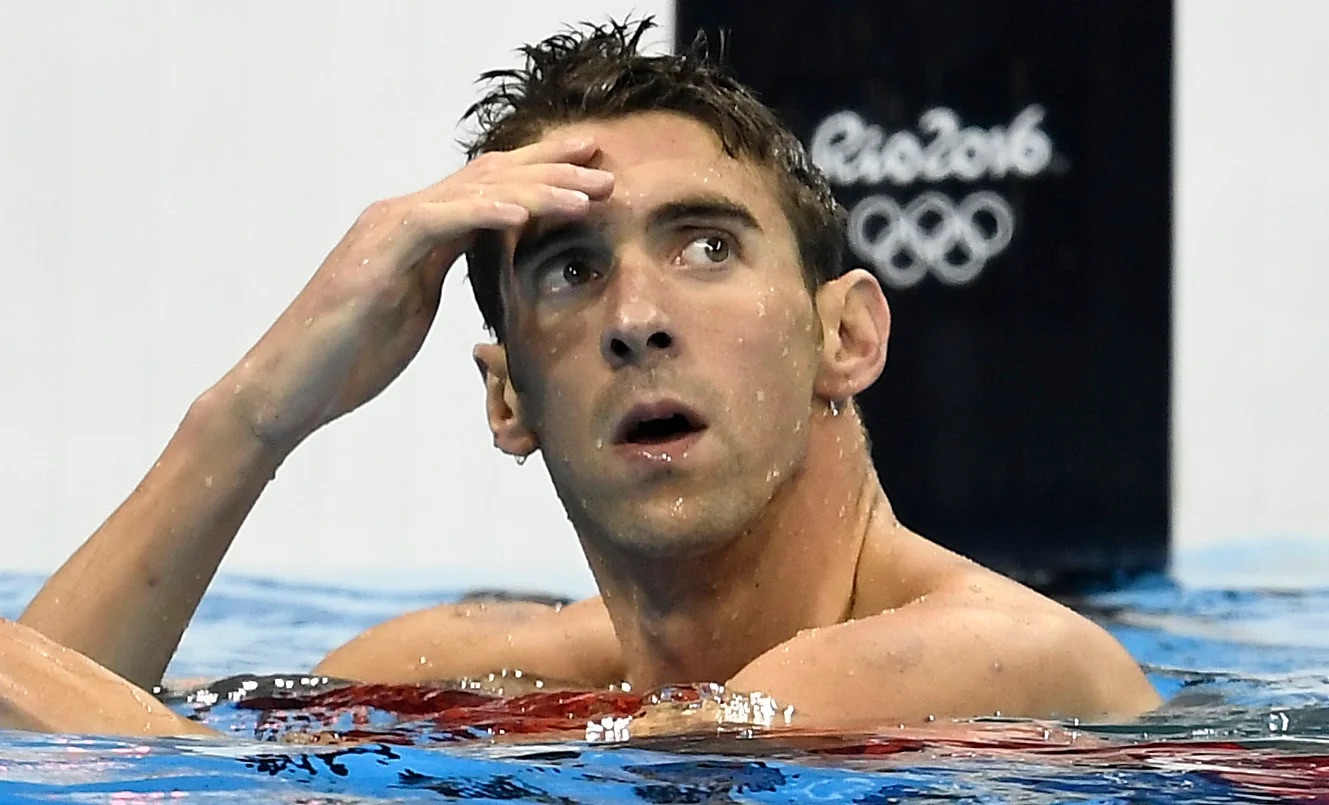
Over the years more and more athletes are stepping away from their sports due to issues outside their field. With the likes of Naomi Osaka, Michael Phelps, Chloe Kim, and Megan Rapinoe all stepping away from their sport on the global stage many athletes in the US have followed suit. Athletes taking a needed break has seemed to help them. Despite losing her first three matches following her maternity leave Naomi Osaka says she feels optimistic about returning. Michael Phelps spoke out about his battle with anxiety and depression after his career. Phelps has the most Olympic medals (twenty-eight) ever and is considered the greatest swimmer of all time Phelps said that he was scared to ever speak out about his struggles as he felt it would give his competitors the edge somehow. In 2014 Phelps checked into therapy and “felt like he could love himself again”. Phelps athletically didn’t need the break; he has twenty-three gold medals and fourteen more than second place (nine) but he was better off as Michael Phelps the person because of it. Athletes should be able to take breaks without the negative stigma, the media and sports fans alike need to help reduce the stigma.
When you are sick from work it’s because you have other things going on more important than your work. With athletes, they as people have more on their plate than their performance on the field and sometimes we as spectators don’t see athletes as people and we see them as characters. I think the more and more we let people take their own time it will become commonplace not only for athletes but the working class as well to take time off.


